5 March 2026
Don’t Let the New MCA Code Sink Your Charter Business
The commercial maritime landscape has shifted significantly as of December 2025. For owners and operators of charter vessels, the regulatory environment is no longer a matter of simply following aging guidelines. The Maritime and Coastguard Agency (MCA) has fully implemented the transition to the new unified Small Vessel Code, a move that consolidates and supersedes several long-standing documents, including MGN 280, the Blue Code, the Yellow Code, and the Red Code.
For a charter business, compliance is the foundation of operational viability. A failure to adhere to the 2025 standards does not merely result in a paperwork delay; it can lead to the immediate suspension of commercial activities, the voiding of insurance policies, and significant legal liability. As an industry leader in marine surveying, SVG Marine serves as an MCA Certifying Authority Examiner, providing the technical expertise required to navigate these complex regulatory waters.
The Evolution of Commercial Coding: From MGN 280 to the New Standard
For years, MGN 280 served as the primary reference for the construction, machinery, equipment, stability, and examination of small commercial vessels. However, as vessel technology advanced, particularly concerning hull materials, propulsion systems, and electronic navigation, the older codes became fragmented.
The 2025 Sport or Pleasure Vessel Code represents a comprehensive effort to modernize safety standards. It creates a single, streamlined framework for all vessels under 24 metres in commercial use. Whether an operator manages a luxury sailing monohull for private charter or a high-speed RIB for commercial transit, the new code dictates the rigorous safety thresholds that must be met.
SVG Marine specializes in conducting the commercial coding surveys necessary to secure these certifications. Our role as examiners is to ensure that every vessel we inspect not only meets the letter of the law but is genuinely seaworthy for its intended area of operation.
Critical Areas of Inspection Under the New Code
The new regulations place a heightened emphasis on structural integrity and the redundancy of safety systems. During an MCA coding survey, several critical areas undergo intense scrutiny.
1. Stability and Buoyancy Requirements
Stability remains the most critical factor in vessel safety. The regulations have refined the requirements for stability assessments, particularly for vessels operating in more exposed waters (Category 0, 1, and 2). Depending on the vessel's size and intended use, a full stability booklet or a simplified buoyancy test may be required. SVG Marine provides the technical oversight to ensure these calculations are accurate and compliant with the latest ISO standards and MCA requirements.
2. Structural Fire Protection and Extinguishing Systems
Fire remains one of the greatest risks at sea. The new code introduces stricter requirements for structural fire protection in machinery spaces. This includes the use of approved A-60 rated insulation where applicable and the installation of fixed fire extinguishing systems that can be operated from outside the protected space. Our surveyors meticulously check the certification and installation of these systems to ensure they will perform in an emergency.
3. Life-Saving Appliances (LSA)
The code mandates a specific suite of life-saving equipment based on the vessel’s category of operation. This includes:
- Life rafts: Must be serviced by an approved station and equipped with the correct emergency packs.
- Lifejackets: Must be fitted with lights and whistles, and specifically rated for the weight of the intended passengers.
- EPIRBs and PLBs: Requirements for 406MHz beacons have been updated to ensure faster search and rescue response times.
The Risks of Non-Compliance: Downtime and Liability
In the charter industry, time is the most valuable commodity. The European and UK charter seasons are relatively short, and any period where a vessel is "non-compliant" is a period where it cannot generate revenue.
Operational Downtime: If a vessel fails its annual or five-year renewal survey, the MCA certificate is suspended. This means the vessel cannot legally carry passengers for hire. Attempting to operate without a valid certificate is a criminal offense that can lead to heavy fines and the permanent revocation of the owner’s commercial license.
Insurance Invalidity: Insurance providers are increasingly diligent regarding the regulations. Most insurance surveys now require proof of valid commercial coding for any vessel listed as a commercial asset. If a claim is made and the vessel is found to be non-compliant with the MCA Sport or Pleasure Vessel Code, the insurer has strong grounds to deny the claim entirely, leaving the business owner personally liable for damages or injury.
Technical Advancements and New Hazards: Lithium Batteries
One of the most significant additions to the regulatory framework concerns the installation and management of Lithium-Ion battery systems. As more charter vessels move toward high-capacity battery banks for silent domestic power or hybrid propulsion, the MCA has introduced specific safety protocols.
These protocols address thermal runaway risks, mandatory ventilation requirements, and integrated Battery Management Systems (BMS). During a pre-purchase survey or a coding inspection, SVG Marine examiners pay close attention to these installations. Incorrectly installed lithium systems are a primary cause for survey failure under the new code due to the high fire risk they present in a marine environment.
Why a Professional Coding Survey is Essential
The process of coding a vessel for commercial use is complex and involves multiple stages of inspection. It is not merely a checklist but a thorough engineering assessment.
Tonnage Measurement
Before a vessel can be registered for commercial use, a formal tonnage measurement is required. This is a measurement of the vessel's internal volume and is used to determine registration fees and manning requirements. SVG Marine is authorized to perform these measurements, ensuring that the data submitted to the registry is precise and legally binding.
Thorough Technical Inspection
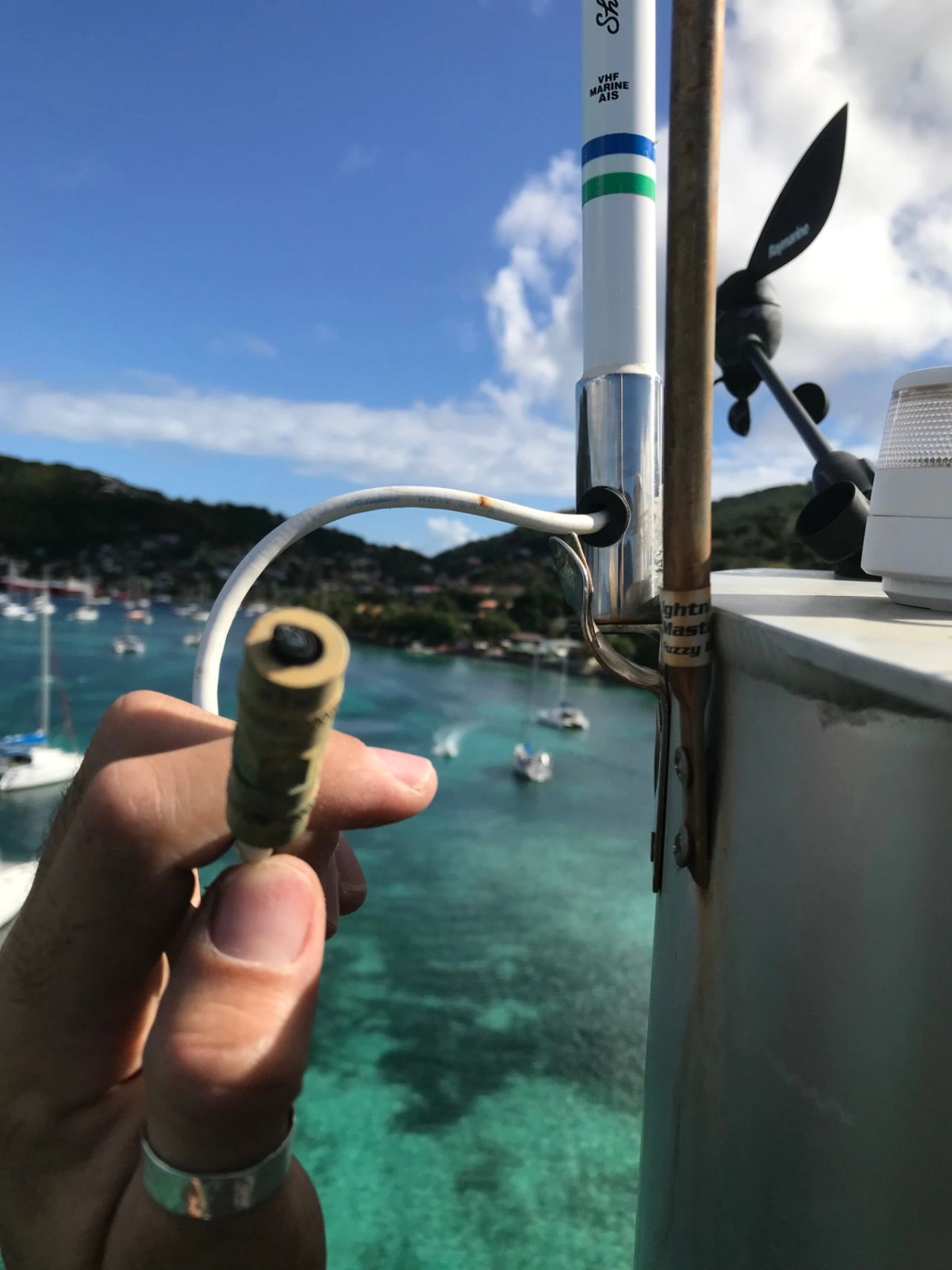
A coding survey covers everything from the diameter of the bilge pump piping to the secure mounting of the AIS antenna. Our surveyors examine the "stern gear," including propellers, shafts, and rudders, for signs of wear or electrolysis that could compromise the vessel's safety at sea.
Preparing Your Business for the 2026 Season
For charter operators in Southampton, the Mediterranean, or beyond, the time to prepare for the 2026 season is now. Waiting until a week before your first booking to schedule an MCA survey is a high-risk strategy.
We recommend a proactive approach:
- Audit Existing Equipment: Check all service dates on life rafts, fire extinguishers, and flares.
- Review Stability Data: Ensure your stability information is current and reflects any significant modifications made to the vessel.
- Consult an Expert: Engage with a Certifying Authority Examiner early. We can conduct a preliminary "gap analysis" to identify any areas where your vessel may fall short of the new standards.
At SVG Marine, we pride ourselves on our systematic and detailed approach to marine surveying. Our goal is to protect your investment and ensure the safety of your passengers. Whether you require a pre-delivery inspection for a new addition to your fleet or a mandatory five-year renewal survey, our team provides the authoritative guidance you need.
Conclusion
The new MCA Sport or Pleasure Vessel Code is a positive step forward for maritime safety, but it places a significant responsibility on charter operators. Compliance is not just a hurdle to be cleared, it is a mark of professional excellence and a commitment to passenger safety.
By partnering with SVG Marine, you gain access to a wealth of technical knowledge and the assurance that your business remains on the right side of the law. Do not allow a lack of regulatory foresight to sink your charter business. Contact us today to discuss your commercial coding requirements and ensure your vessel is ready for the challenges of the 2026 season.
For more information on our services or to book a survey, visit our contact page.