2 April 2026
Hidden Osmosis & Hull Secrets
For many prospective owners, the acquisition of a vessel represents the culmination of a lifelong ambition. However, beneath the polished gelcoat and the aesthetic appeal of a modern cruiser lies a complex structure that is constantly under siege by the marine environment. A pre purchase yacht survey is the most critical step in the acquisition process, serving as a comprehensive technical audit that distinguishes a sound investment from a mounting liability.
At SVG Marine, we recognize that the hull is the heart of the vessel. While a deck may be refurbished and engines may be overhauled, fundamental structural failure or systemic osmosis can compromise the safety and value of the craft permanently. This guide provides a detailed look behind the scenes of a professional inspection, revealing the systematic methods we employ to uncover the "hidden secrets" of a hull.
Understanding the Osmosis Enigma
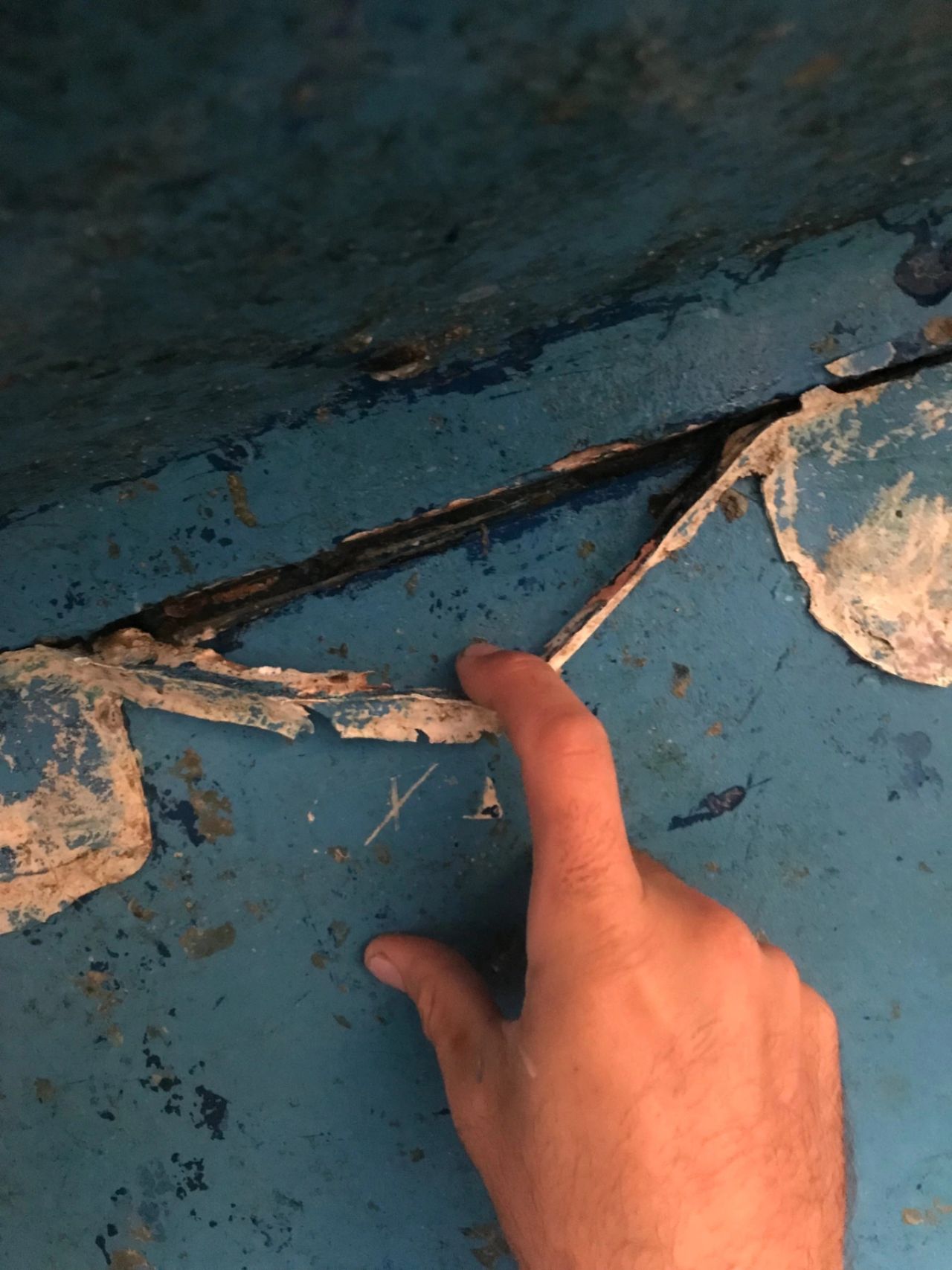
Osmosis remains one of the most misunderstood phenomena in the marine industry. In technical terms, marine osmosis is a process of physical-chemical degradation involving the passage of water molecules through the semi-permeable membrane of the vessel's gelcoat. This occurs through a process known as hydrolysis, where water reacts with unreacted chemical components within the fiberglass laminate.
When these water molecules become trapped, they form a concentrated solution that exerts significant osmotic pressure. This pressure eventually forces the gelcoat to expand outward, creating the characteristic blisters often associated with the condition. However, the presence of moisture does not always equate to active osmosis, and the absence of visible blisters does not guarantee a dry hull. This complexity is precisely why a professional yacht survey UK is essential before finalizing any transaction.
The Surveyor’s Methodology: Detection Techniques
A thorough pre purchase boat survey involves more than a cursory glance at the hull. We utilize a layered approach to identify issues that remain invisible to the untrained eye.
1. Visual Inspection with Grazing Light
One of the most effective tools in a surveyor's arsenal is not a high-tech sensor, but the strategic application of light. By using a high-intensity torch held parallel to the hull surface we can detect minute irregularities in the gelcoat. This method highlights shadows cast by early-stage blistering that would be entirely invisible under direct sunlight or overhead shipyard lighting.
2. Strategic Sanding Tests
In cases where the hull is coated in thick layers of antifouling paint, visual inspection alone is insufficient. We often perform sanding tests on small, localized areas. By removing the paint down to the gelcoat, we can observe the true condition of the laminate. This process allows us to determine if previous "osmosis treatments" were merely cosmetic or if an epoxy barrier was correctly applied.
3. Moisture Meter Analysis
Moisture meters are vital diagnostic tools, yet they are frequently misinterpreted. These devices measure the electrical conductivity or capacitance of the laminate, which correlates with moisture content. High readings are a "red flag" that necessitates further investigation, but they are not definitive proof of osmosis. Factors such as internal bilge water, metallic hull reinforcements, or even certain types of bottom paint can skew results. We use these readings as part of a broader data set rather than a solitary conclusion.
Timing and Environmental Factors
The accuracy of a pre purchase yacht survey is heavily dependent on the timing of the inspection. A boat that has been stored ashore for several months will naturally "dry out," potentially masking significant laminate issues. As the moisture evaporates, osmotic blisters may shrink or flatten, becoming nearly impossible to detect visually.
For the most accurate assessment, we recommend that the vessel be inspected immediately following a haul-out. When the hull is still wet, surface irregularities are most pronounced, and moisture readings provide a "real-world" snapshot of the laminate's saturation levels during active use. Understanding these nuances is a key part of how to choose a marine surveyor near you who understands the local climate and storage conditions.
Beyond the Surface: Structural Integrity and Delamination
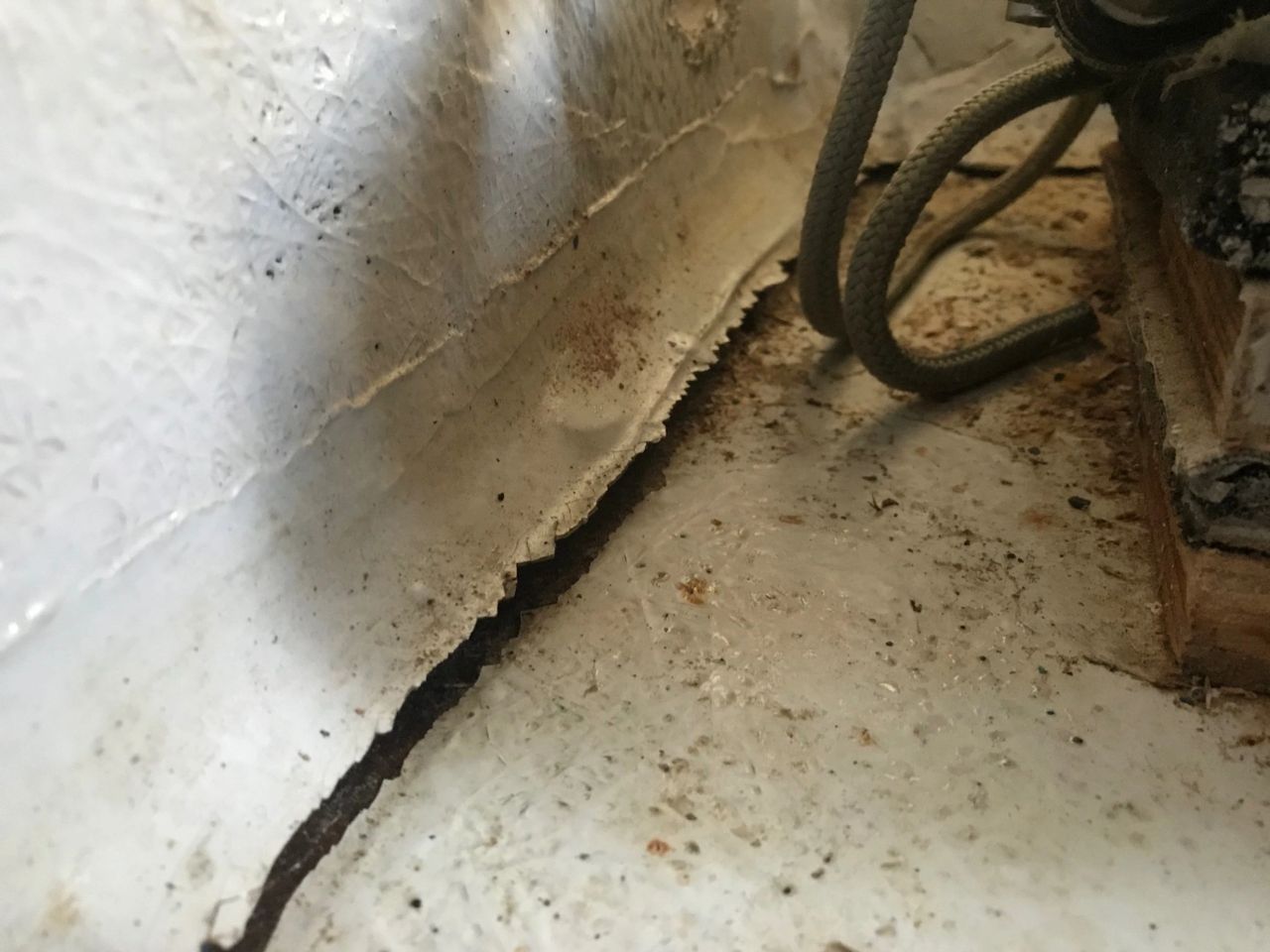
While osmosis is a chemical concern, delamination is a physical one. Delamination occurs when the layers of fiberglass cloth and resin separate from one another, or from the core material (such as balsa or foam). This significantly weakens the hull and can lead to catastrophic failure under the stresses of sea conditions.
We identify these areas through "percussion testing" or "sounding." By systematically tapping the hull with a specialized hammer, we listen for changes in resonance. A sharp, crisp "clack" indicates a solid, well-bonded laminate, while a dull "thud" suggests a void, moisture ingress, or delamination.
High-Risk Inspection Zones
During a pre purchase boat survey, we pay particular attention to high-stress areas where structural failures are most likely to manifest:
- Keel-to-Hull Joint: We look for "smile" cracks or evidence of movement that could indicate loose keel bolts or structural floor failure.
- Through-Hull Fittings: These are common points of water ingress into the core material.
- Chainplates and Rigging Attachments: Stress cracks here can indicate that the vessel has been driven hard or has suffered from rig over-tensioning.
- The Waterline: This area experiences the most consistent osmotic pressure and environmental wear.
Internal "Secrets" of the Bilge
The interior of the hull often tells a more honest story than the exterior. A pristine deck can hide a multitude of sins in the bilge. During our inspections, we navigate the deepest recesses of the vessel to evaluate the "hidden" components that keep the boat afloat.
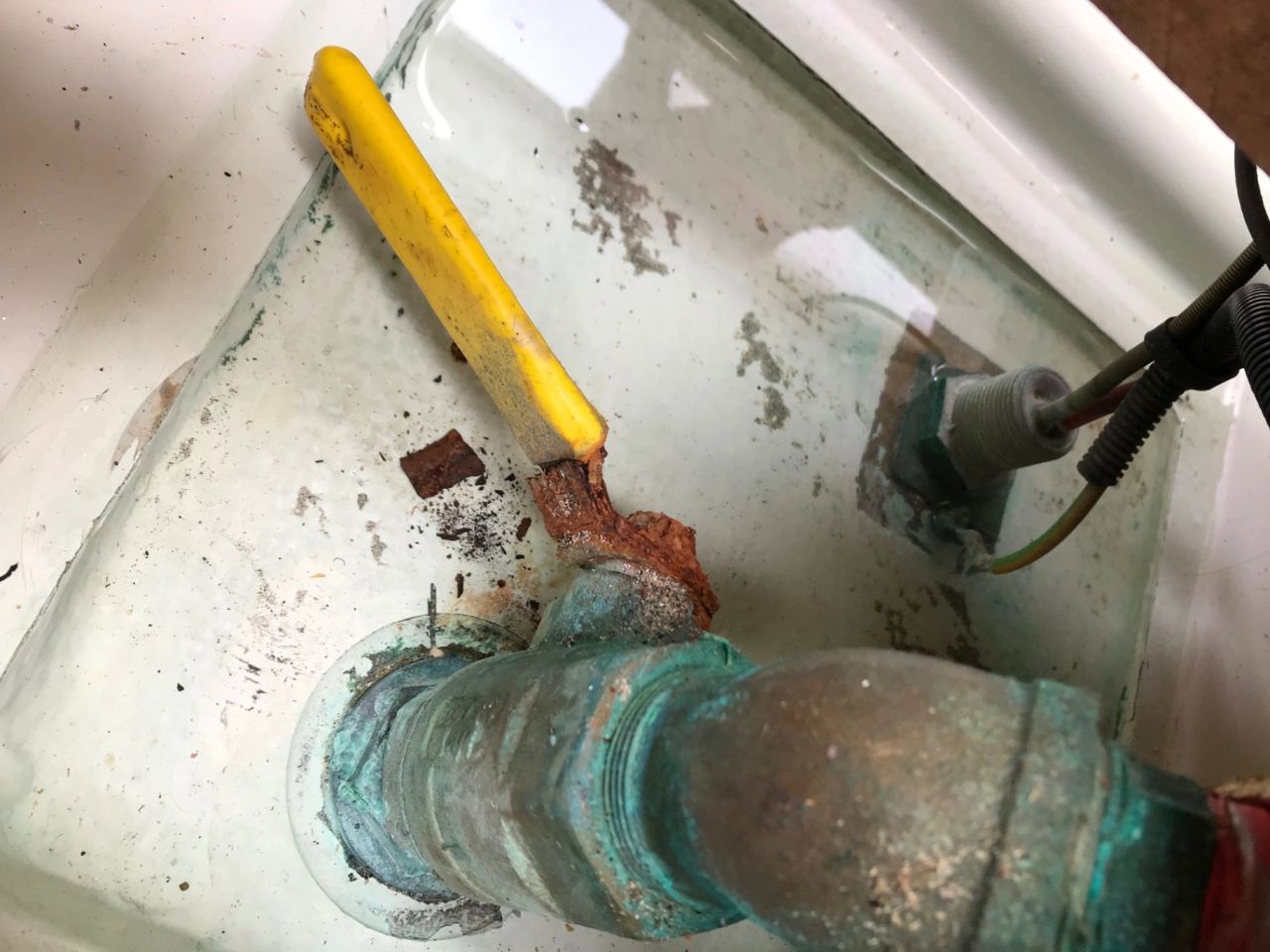
Corrosion is a primary concern. We frequently find through-hull valves (seacocks) that have reached the end of their service life. Advanced oxidation or "verdigris" (green buildup) on brass or bronze fittings is a sign of neglect that can lead to a sunken vessel. We also examine the electrical system for signs of overheating or "DIY" repairs that do not meet safety standards.
For those considering a vessel for commercial use, these internal checks are even more critical. Ensuring the vessel meets the necessary standards is a core component of MCA coding survey 101.
The Verdict: Moisture vs. Damage
It is important for buyers to understand that finding moisture in a hull is not always a reason to abort a purchase. Many older GRP (Glass Reinforced Plastic) vessels carry a degree of moisture without suffering from structural compromise. The role of the surveyor is to determine the phase of the moisture ingress.
- Phase 1: High Moisture Readings. The laminate is wet, but no physical damage has occurred. This may require monitoring or a preventative epoxy coating.
- Phase 2: Early Osmosis. Small blisters are forming within the gelcoat. This is often treatable through local repairs.
- Phase 3: Advanced Osmosis. Extensive blistering and laminate saturation. This may require a full "peel" of the gelcoat and a lengthy drying process.
By identifying these stages accurately, we provide the buyer with the leverage needed to negotiate the purchase price or request necessary repairs before the sale is finalized. You can read more about how these findings impact the transaction in our post on looking for a pre-purchase boat survey.
Conclusion: Investing in Professional Assurance
The ocean is an unforgiving environment, and the hull is your primary defense against it. While the cost of a professional pre purchase yacht survey may seem like an additional burden in an already expensive process, it is the only way to ensure that your dream of boat ownership does not turn into a financial nightmare.
At SVG Marine, our systematic approach to hull inspections ensures that no stone: or rather, no blister: is left unturned. Whether you are purchasing a coastal cruiser in the UK or a blue-water vessel abroad, our expertise provides the clarity you need to move forward with confidence.
For more information on specialized vessel types, see our guide on catamaran survey secrets or explore our pre-delivery inspections for new-build yachts. Ensuring your vessel is sound from the start is the best way to guarantee years of safe and enjoyable time on the water.