24 February 2026
The Ultimate Guide to Sea Trials
A sea trial represents the definitive moment in the acquisition of a vessel. While a static inspection provides essential data regarding the structural and cosmetic condition of a yacht, it is only when the vessel is underway that its true mechanical health and handling characteristics are revealed. For any prospective owner, the sea trial is the "moment of truth", the final dynamic assessment before a significant financial commitment is finalized.
At SVG Marine, we view the sea trial as an integral component of a comprehensive pre purchase boat survey. It is a rigorous, structured process designed to test the vessel’s systems. This guide outlines the essential phases of a professional sea trial, ensuring that buyers and owners understand the level of detail required to guarantee safety and performance on the open water.
The Critical Role of the Marine Surveyor
The presence of an experienced marine surveyor during a sea trial is indispensable. While a broker or owner may focus on the aesthetic appeal or the comfort of the ride, the surveyor is focused on data, diagnostics, and safety. The surveyor’s role is to act as an objective technical observer, monitoring engine temperatures, identifying abnormal vibrations, and ensuring that all primary and auxiliary systems function as intended under load.
A professional yacht survey is not merely a ride in the bay; it is a systematic evaluation.
Pre-Trial Prerequisites: The Dockside Foundation
Before the lines are cast off, a series of preliminary checks must be completed. This phase, often referred to as the dock trial, ensures the vessel is safe to leave the berth. A professional surveyor will examine the engine room while the machinery is cold, checking fluid levels, belt tension, and signs of existing leaks.
A critical area of focus during these pre-trial checks is the integrity of the technical compartments. Surveyors look for evidence of historical water ingress or compromised electrical systems.
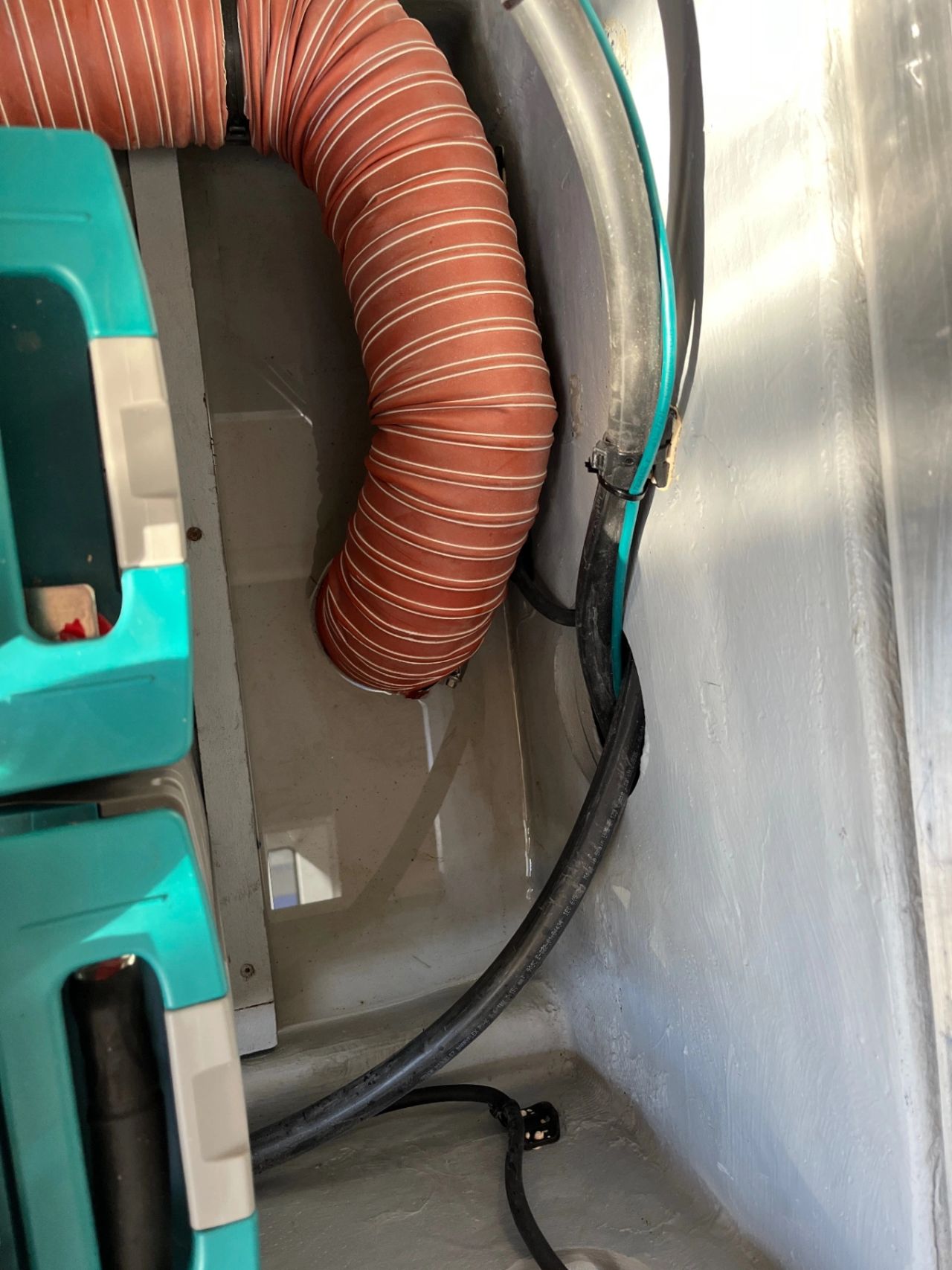
Once the engines are started, the surveyor monitors the "cold start" behavior. Excessive smoke, difficulty starting, or unusual noises at idle can indicate underlying issues with the fuel system or internal engine components. Only when the machinery has reached a stable idling temperature does the vessel proceed to open water.
Propulsion and Mechanical Performance
The heart of the sea trial is the evaluation of the propulsion system. For motor yachts and sailing monohulls alike, the engine must demonstrate reliability across its entire power band.
Wide Open Throttle (WOT) Testing
One of the most critical tests is the Wide Open Throttle (WOT) run. The vessel is brought up to its maximum rated RPM to ensure the engine achieves the manufacturer's specified performance. Failure to reach WOT can indicate a variety of issues, including a fouled hull, an incorrectly pitched propeller, or internal engine fatigue. During this period, the surveyor monitors cooling systems and exhaust temperatures to ensure the engine does not overheat under maximum load.
Vibration and Alignment
As the vessel moves through different speed increments, the surveyor remains alert for harmonic vibrations. Excessive vibration can be a symptom of misaligned shafts, damaged propellers, or worn engine mounts. In monohull vessels, these vibrations can resonate through the hull, potentially leading to structural fatigue over time if left unaddressed.
Maneuverability and Hull Integrity
A yacht must do more than move forward; it must handle predictably in various conditions. Maneuvering trials include assessing the responsiveness of the steering system and the effectiveness of thrusters.
Steering and Handling
The surveyor will perform a series of turns at various speeds to evaluate the vessel’s "tracking" and its ability to recover from a hard-over maneuver. For monohull sailing yachts, this also involves assessing the balance of the helm and the performance of the rudder under both power and sail.
Hull Stress and Through-Hull Fittings
Under the dynamic loads of a sea trial, the hull is subjected to different pressures than when at rest. The surveyor will inspect the bilge areas while underway to ensure that through-hull fittings remain watertight and that the hull does not exhibit excessive flexing.
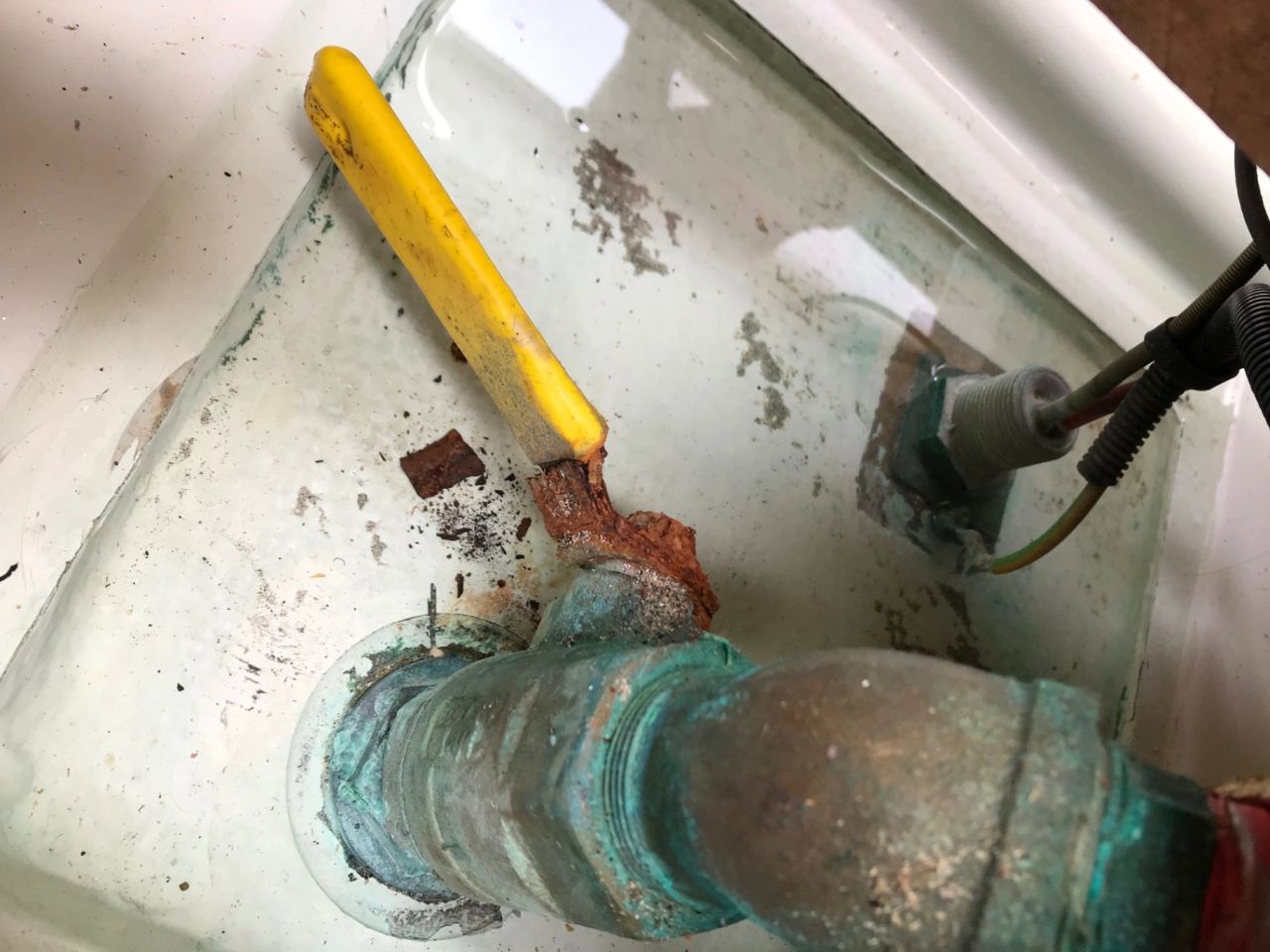
Issues such as corroded valves or compromised fittings, as seen in the image above, may not always leak at the dock but can fail under the increased water pressure and vibration experienced during high-speed operation.
Systems Under Load: Electrical and Auxiliary
A common mistake in amateur sea trials is focusing solely on the engine. A professional marine surveyor recognizes that a yacht is a complex ecosystem of interconnected systems.
The "Dead Ship" Test
Safety protocols often include a "dead ship" test, where the main power source is intentionally cut to ensure that emergency systems, such as emergency lighting and backup navigation, activate immediately. This confirms the integrity of the automatic transfer switches and the health of the battery banks.
Plumbing and Drainage
During the trial, all plumbing systems should be operated. This includes running fresh water pumps, testing grey and black water discharge, and ensuring that bilge pumps function in both manual and automatic modes.
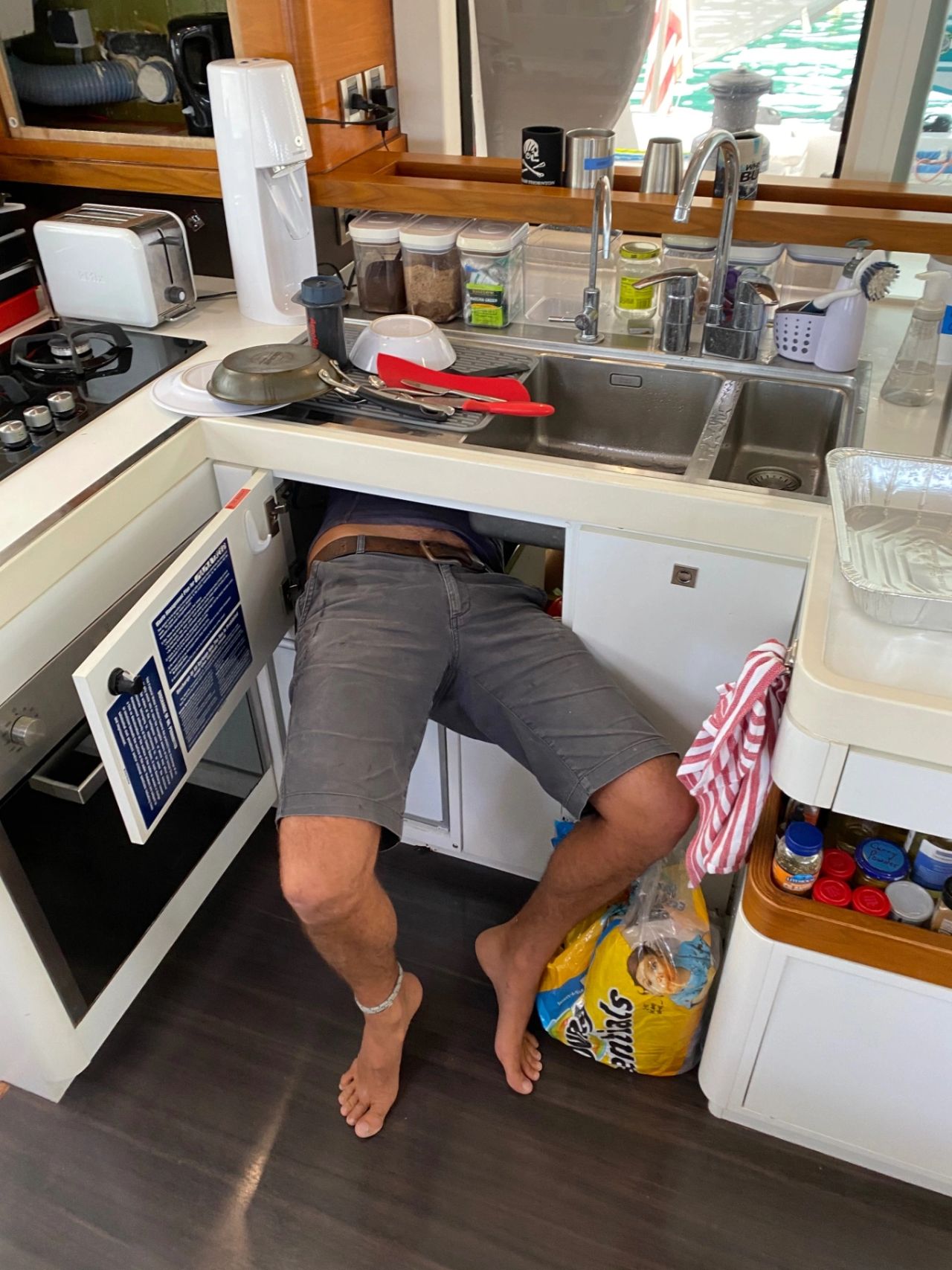
The image above highlights the importance of inspecting plumbing systems beneath the surfaces. Leaks in pressurized water lines or drainage hoses often only manifest when the vessel is moving and the systems are being actively used by the crew.
Sailing Performance: Rigging and Sails
For sailing vessels, the sea trial must include a period under canvas. The surveyor will evaluate the condition of the standing and running rigging while it is under tension.
Standing Rigging Inspection
Rigging components, particularly chainplates and swage terminals, are high-stress points. The surveyor looks for signs of "tea staining" or hairline cracks that could indicate stress corrosion cracking.
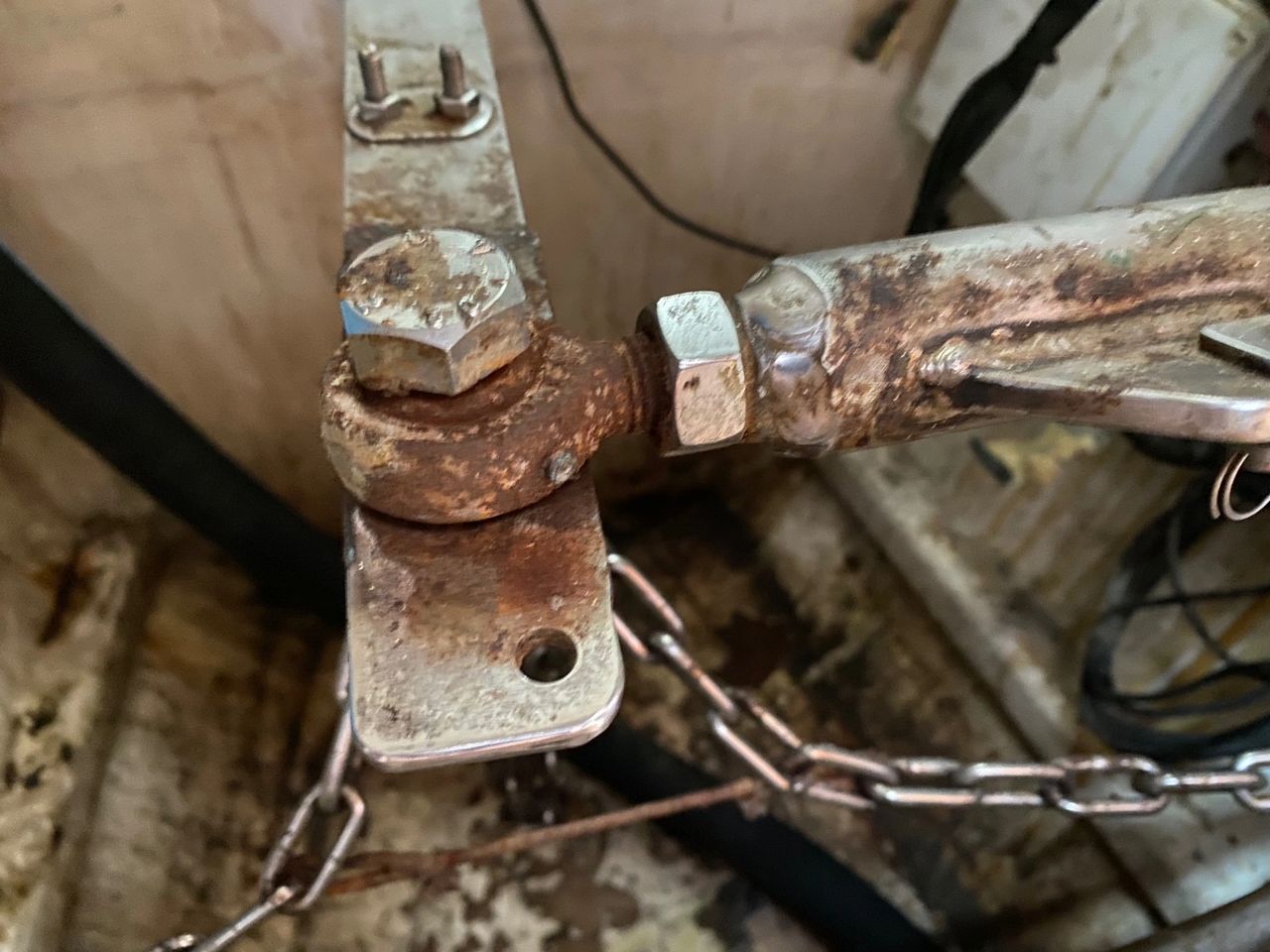
As shown in the image above, corrosion in components is a major safety concern. Identifying these issues during a sea trial can prevent a catastrophic failure in the future. The surveyor will also check the operation of winches, furling gear, and the overall shape and condition of the sails.
Navigation and Communication Suite
Modern yachting relies heavily on electronic integration. During the sea trial, the surveyor verifies that the GPS, radar, AIS, and autopilot systems are communicating correctly.
Key checks include:
- Radar Calibration: Ensuring the radar overlay matches the visual landscape.
- Autopilot Accuracy: Confirming the vessel holds a steady course without "hunting" or excessive correction.
- Depth Sounder Verification: Comparing readings against charted depths to ensure transducer accuracy.
- VHF Radio Check: Performing a "radio check" to confirm transmission and reception clarity.
The Post-Trial Analysis
Once the vessel returns to the dock, the survey is not yet complete. The surveyor will perform a final "hot check" of the machinery, looking for any leaks or odors that appeared during the run. This is also the time when the oil and coolant samples might be taken for laboratory analysis, providing a chemical "blood test" of the engine's internal health.
The data gathered during the sea trial is then synthesized into the final yacht survey report. This document provides the prospective buyer with a clear, factual assessment of the vessel’s performance, highlighting any defects that require immediate attention or future maintenance.
Conclusion: Ensuring a Successful Acquisition
The sea trial is the final hurdle in the purchasing process. It is a complex operation that requires coordination between the buyer, the seller, the broker, and the surveyor. By approaching the trial with a structured, professional mindset, you ensure that the vessel you are buying is not just aesthetically pleasing, but mechanically sound and safe for your intended use.
Whether you are looking at a classic monohull for coastal cruising or a high-performance motor yacht, the investment in a professional pre purchase boat survey and sea trial is the only way to gain true peace of mind. At SVG Marine, we pride ourselves on providing the technical expertise and authoritative guidance necessary to navigate these critical moments with confidence.
For more information on our surveying services or to book an inspection, please visit our official website.