31 March 2026
Why Pre-Delivery Inspections Are Non-Negotiable
There is a persistent psychological bias in the maritime industry: the belief that "new" equates to "perfect." When a client invests millions into a factory-fresh vessel, particularly high-end builds from prestigious yards such as Sunreef or high-volume manufacturers like Lagoon, there is an understandable expectation of flawless execution. However, the reality of modern yacht construction suggests otherwise.
A yacht survey is often viewed as a tool for the second-hand market, a necessary hurdle to clear when navigating the potential neglect of previous owners. In the context of a new build, this perspective is dangerously narrow. The complexity of contemporary marine engineering, combined with aggressive production schedules and global supply chain variables, means that even the most reputable shipyards can, and do, deliver vessels with significant latent defects.
At SVG Marine, we maintain that a professional pre delivery inspection (PDI) is not an expression of distrust toward the builder, but a fundamental component of responsible asset management.
The Fallacy of the Flawless Factory Vessel
The assumption that a manufacturer’s internal quality control (QC) is sufficient to protect a buyer’s interest is a common misconception. Shipyard QC teams are focused on meeting internal production milestones and basic safety standards. A third-party marine surveyor, conversely, represents the buyer’s interests exclusively, looking beyond the aesthetic "showroom finish" to identify issues that could compromise long-term structural integrity or lead to costly warranty disputes.
Manufacturing defects in new boats often stem from:
- Subcontracted Components: Modern yachts are assemblies of parts from hundreds of different suppliers. The shipyard may install an engine or a desalination system that arrived with a factory defect, which then remains undetected during a brief commissioning phase.
- Human Error in Lamination: Despite advances in vacuum infusion, the human element in GRP (Glass Reinforced Plastic) layups remains a variable. Incorrect resin-to-fiber ratios or environmental fluctuations during the cure can lead to structural vulnerabilities.
- System Integration Failures: As yachts become "smarter," the integration of NMEA 2000 networks, lithium battery banks, and complex HVAC systems becomes a primary failure point.
The Catamaran Factor: Doubling the Complexity
The demand for a specialized catamaran survey has surged alongside the popularity of brands like Sunreef and Lagoon. The inherent design of a multihull introduces specific engineering challenges that are absent in monohulls. With two hulls, two engines, and a massive bridge deck structure, the potential for "new boat" issues is effectively doubled.
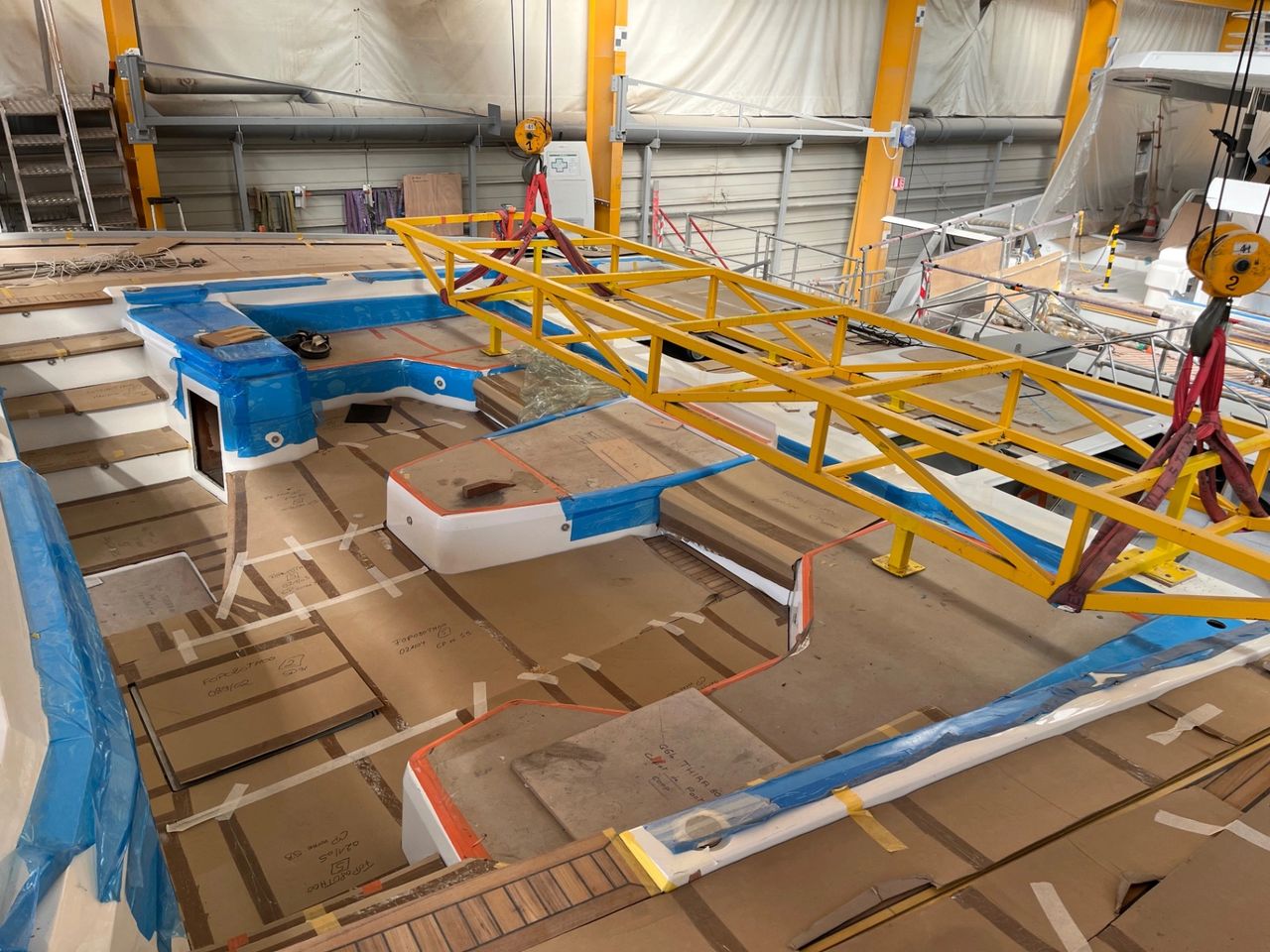
For large catamarans, the bridge deck is a critical area of concern. The stresses placed on the transition zones between the hulls and the central platform are immense. If the lamination in these areas is not executed perfectly, the vessel may experience excessive flexing or even structural cracking once it encounters blue-water conditions.
Furthermore, the expansive interior volumes of modern catamarans require sophisticated plumbing and electrical routing. We frequently observe issues where pipes or cables pass through bulkheads without adequate chafe protection, a minor oversight during construction that becomes a critical failure point after 500 nautical miles of vibration at sea.
Identifying Hidden Issues: Beyond the Gelcoat
A professional PDI involves a systematic, multi-day evaluation. It is a process of verification that extends far beyond a visual walk-through.
Structural Integrity and Lamination
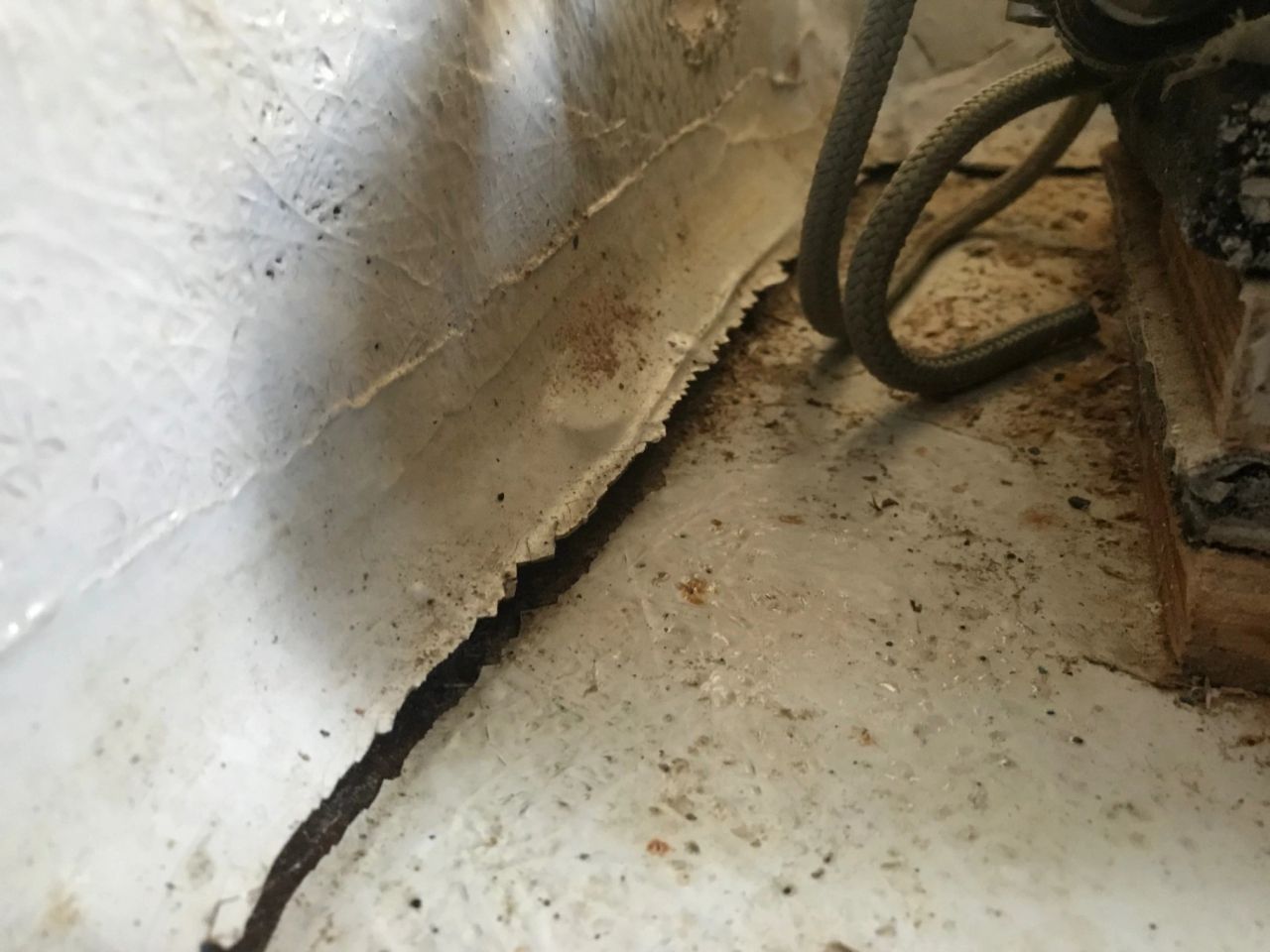
Using non-destructive testing (NDT) methods, such as moisture meters, we assess the hull and deck for voids or delamination. Even on a new boat, moisture entrapment can occur during the build process if the environment is not strictly controlled. Detecting a structural crack or a void in a hull-to-stringer joint early is the difference between a simple factory fix and a catastrophic failure later.
Machinery and Propulsion
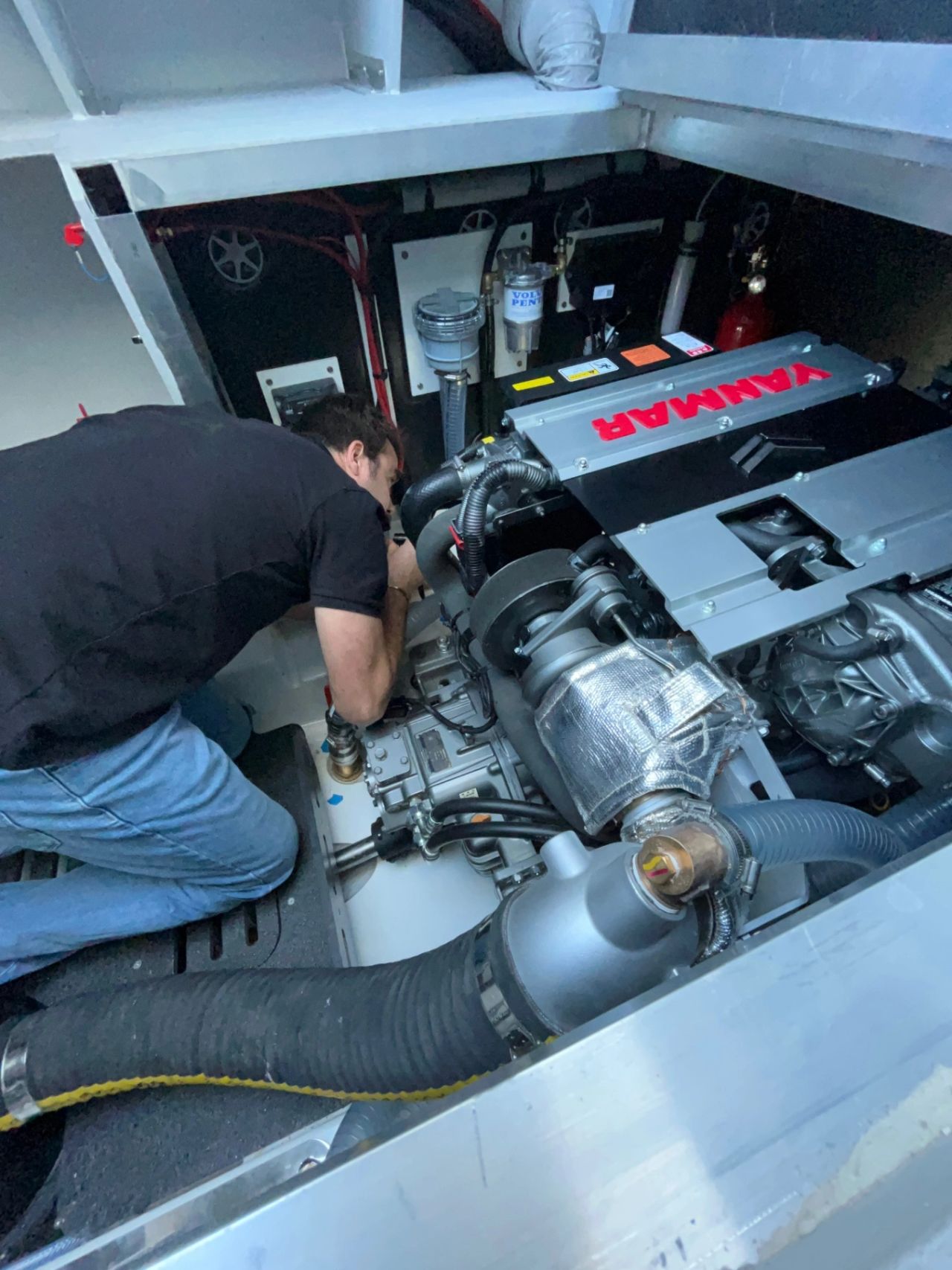
The engine compartment inspection is a cornerstone of the pre-delivery inspection yacht process. We verify that engines, often Yanmar or Volvo Penta units, are aligned correctly, that exhaust systems are properly supported, and that sea strainers are accessible. It is not uncommon to find that assembly teams have left debris in the bilge or that hose clamps have been overlooked during the final rush to meet a delivery date.
Electrical and Technical Systems
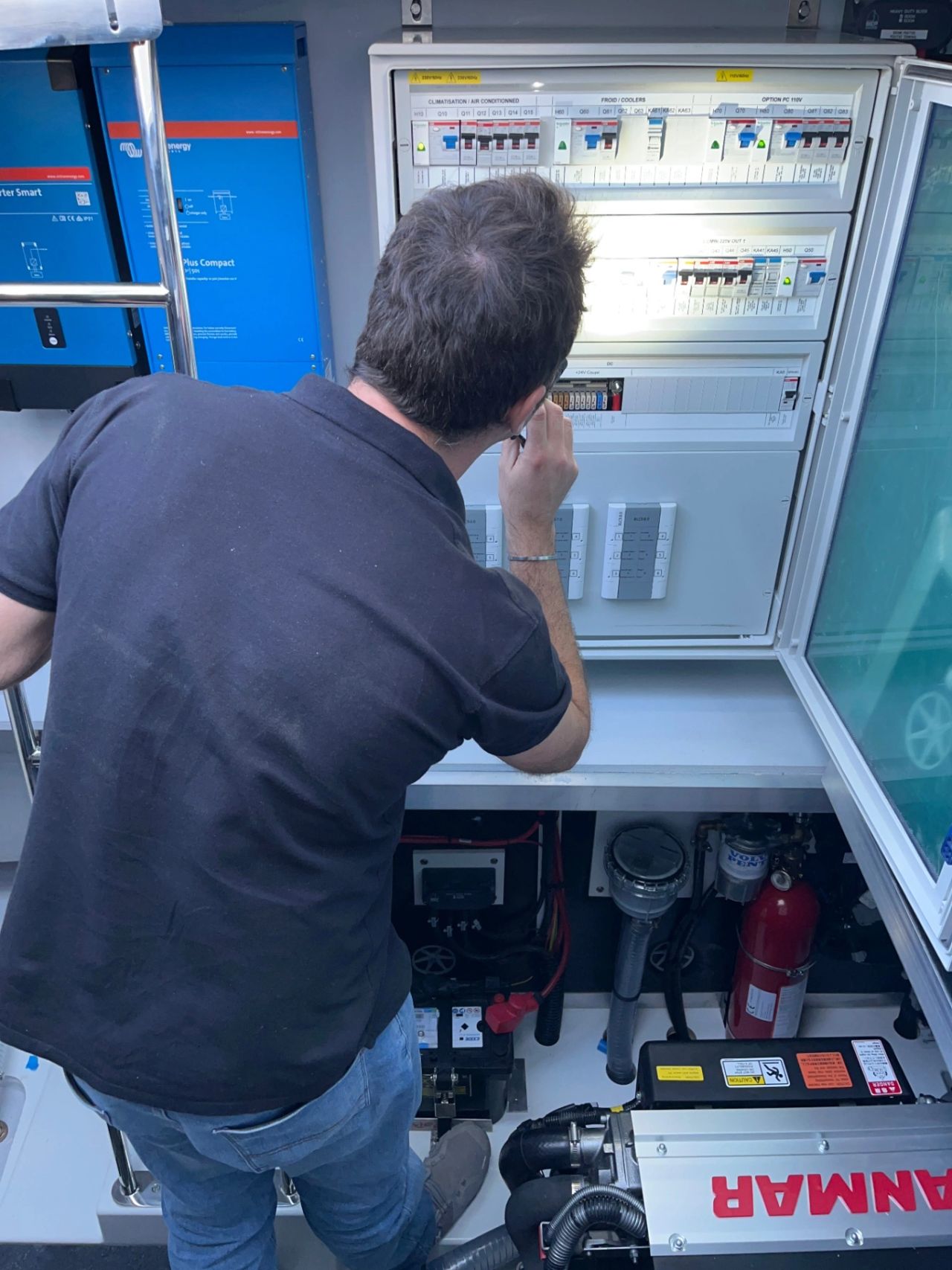
Modern yachts are essentially floating power plants. We conduct a thorough audit of the electrical control panels, checking for tight connections and correct labeling. We also verify the operation of onboard systems, from the freezer’s ice maker to the complexity of the digital switching system. Ensuring these systems function as intended while still at the shipyard allows for immediate rectification by the builder’s specialists.
The Commercial Advantage: Warranty and Contractual Compliance
The period between the completion of a build and the final "acceptance" of the vessel is the buyer’s most powerful window of leverage. Once the final payment is made and the vessel departs the shipyard, the dynamic shifts from a "delivery" issue to a "warranty" claim.
Navigating warranty claims from a distant port is notoriously difficult. Shipyards are often backlogged, and dispatching technicians to a remote Caribbean anchorage or a Mediterranean marina is a logistical nightmare that leads to significant downtime. By conducting a thorough pre-delivery inspection, the buyer can present a punch-list of required repairs to the builder while the boat is still on-site.
This proactive approach ensures that:
- Contractual Specifications are Met: We verify that the vessel actually contains the equipment and finishes specified in the build contract.
- Safety Verification: We ensure all safety equipment is installed and compliant with relevant standards, such as MCA coding if the vessel is intended for charter. You can read more about this in our guide on MCA coding for yacht owners.
- Accurate Valuation: The PDI provides a baseline condition report that is essential for insurance underwriting and financing.
The PDI Process: A Systematic Approach
At SVG Marine, our PDI process typically spans several days of intensive evaluation.
- Static Inspection (Out of Water): We begin with a "bottom survey" to inspect the hull, rudders, and running gear. This is the only time to verify that the anti-fouling application is sufficient and that there are no transport or cradle-related damages to the hull.
- Static Inspection (In-Water): Once launched, we move to the internal systems. This includes a pressure test of the plumbing, a load test of the electrical systems, and a verification of all navigation electronics.
- The Sea Trial: This is the most critical phase. We push the vessel to its design limits to monitor engine temperatures, vibration levels, and structural sounds. A sea trial often reveals "gremlins" that are invisible while the boat is tied to a dock. For more on this phase, see The Ultimate Guide to Sea Trials.
Securing the Investment
Purchasing a new yacht is a milestone achievement, but the "new boat" label does not grant immunity from the laws of physics or the realities of industrial manufacturing. Whether you are taking delivery of a luxury Sunreef catamaran in Poland or a Lagoon in France, a professional yacht survey is the only way to ensure that your investment is sound and your vessel is seaworthy.
By identifying defects before acceptance, owners limit the frustration of immediate downtime and the bureaucratic hurdles of post-delivery warranty claims. A PDI provides the peace of mind that allows an owner to focus on the purpose of the purchase: the enjoyment of the water.
For those considering a new build or a high-end catamaran, we invite you to explore our specialized services for catamaran surveys and to contact SVG Marine to schedule a comprehensive pre-delivery inspection. Protect your investment from day one with the expertise of a professional marine surveyor.